Tips on knowing what camera is right for you.
Buying your first DSLR camera is an exciting step in your photography journey. With the plethora of options available, it can be overwhelming to decide which one suits your needs best. Here are some key considerations to help you make an informed decision:
1. Budget
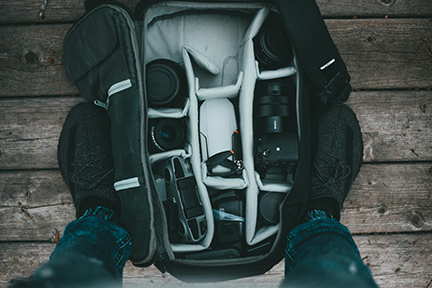
Your budget will significantly narrow down your options. DSLR cameras range from entry-level models to professional-grade equipment. Decide how much you’re willing to spend, including the cost of essential accessories like lenses, memory cards, and a camera bag.
2. Purpose
Consider why you want a DSLR. Are you interested in landscape photography, portraits, sports, or perhaps videography? Different cameras and lenses excel in different areas. Knowing your primary focus will help you choose the right camera and accessories.
3. Megapixels
While more megapixels mean higher resolution, it’s not the only factor in image quality. For most beginners, a camera with 16-24 megapixels is more than sufficient. Focus on other features like sensor size and image processing capabilities.
4. Sensor Size
Sensor size greatly affects image quality, depth of field, and low-light performance. The two main types are APS-C and full-frame sensors. APS-C sensors are more affordable and lighter, while full-frame sensors offer better image quality and performance in low light but are generally more expensive.
5. Lens Compatibility
One of the biggest advantages of DSLRs is the ability to change lenses. Check the availability and cost of lenses compatible with the camera you’re considering. A versatile kit lens is good for starters, but as you progress, you may want specialized lenses for macro, wide-angle, or telephoto shots.
6. Ease of Use
For beginners, an intuitive interface and easy-to-navigate menus are crucial. Look for a camera with a good automatic mode to help you start, but also with manual controls for when you’re ready to experiment.
7. Size and Weight
Consider how portable you need your camera to be. If you plan to travel or carry it around frequently, a lighter, more compact DSLR might be preferable.
8. Video Capabilities
If you’re interested in videography, check the camera’s video specs. Look for features like Full HD or 4K recording, frame rates, and microphone input for better audio quality.
9. Brand and Ecosystem
Brands like Canon, Nikon, and Sony offer extensive ecosystems of lenses and accessories. Choosing a camera from a well-established brand ensures you have plenty of options to expand your gear in the future.
10. Reviews and Recommendations
Research reviews from trusted sources and seek recommendations from experienced photographers. Real-world feedback can provide valuable insights into the camera’s performance and reliability.
Conclusion
Choosing your first DSLR camera is a significant decision that can greatly impact your photography experience. By considering your budget, purpose, and the features most important to you, you’ll be well on your way to finding the perfect camera to capture your creative vision. Happy shooting!
Did you know that Learn Photography Canada has a camera loaner program? You don’t need to have your own camera to take a course. If you let us know we can arrange a loaner for your workshop. Sometimes “Trying” something and getting the advice of your professional coach will help you make a better purchase decision. Sign up for a workshop today!